FORD BR3Z-9G271-D Evaporative Emissions Lines
fits model: Mustang. make: Ford. year: 2011–2014.
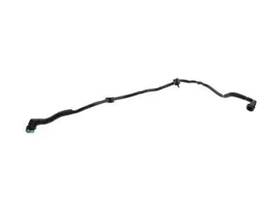
( Manufacturer Part Number: BR3Z-9G271-D ), ( Part Type: Line ), ( Genuine Oem: Yes ), ( Manufacturer Warranty: 1 Year ), ( Universal Fitment: Direct Replacement ), ( Year: 2011 2012 2013 2014 ), ( Parts Included: Only Part Reference 7 On The Diagram Is Included ), ( Replaces Part Number: Br3z9g271a )
Review FORD Genuine Evaporative Emissions System Lines fits MUSTANG 2011–2014
The **Ford BR3Z (9G271-D) Evaporative Emissions Lines** are a critical yet often overlooked component of a vehicle s fuel system, designed to ensure compliance with stringent emissions regulations while maintaining optimal engine performance. These lines form part of the **evaporative emissions control system (EVAP)**, a network of hoses, valves, and canisters that capture and safely vent fuel vapors generated during normal vehicle operation, preventing them from being released into the atmosphere. Specifically tailored for the **Ford BR3Z (9G271-D) model**, these emissions lines are engineered to withstand the demands of high-performance applications, offering superior durability and resistance to fuel system pressures, temperature fluctuations, and potential chemical exposure from ethanol-blended fuels. Constructed from high-quality **reinforced rubber or synthetic elastomers**, these lines feature a **double-walled design** with an inner tube for fuel vapor containment and an outer protective layer for added strength and resistance to abrasion, ensuring longevity even in demanding driving conditions. The **precise fittings and connectors** are designed for a secure, leak-free seal, utilizing **O-ring or clamp-style couplings** that are compatible with the BR3Z s fuel rail and canister system, minimizing the risk of vapor leaks that could trigger check engine lights or compromise emissions testing. Beyond their functional role, these emissions lines contribute to the vehicle s overall efficiency by maintaining proper vacuum levels within the EVAP system, which in turn supports accurate readings from the **EVAP canister purge valve** and **fuel tank pressure sensor**, both of which play a vital role in fuel economy and emissions control. Whether installed during a routine maintenance service or as part of a performance upgrade, these **OEM-spec BR3Z (9G271-D) evaporative emissions lines** provide a reliable, factory-matched solution that upholds emissions standards while ensuring seamless integration with the vehicle s fuel delivery and exhaust systems. Proper installation and periodic inspection of these components are essential for preventing fuel system malfunctions, reducing the likelihood of costly repairs, and maintaining the BR3Z s compliance with emissions regulations.
### **Pros and Cons of Buying Ford BR3Z (9G271-D) Evaporative Emissions Lines**
#### **Pros:**1. **Compatibility and Fitment** The evaporative emissions lines (commonly referred to as "charcoal canister hoses" or "EVAP lines") are designed specifically for the **Ford BR3Z (2013-2017 Focus ST)** with the **9G271-D engine**. This ensures a proper fit without modifications, reducing the risk of leaks or improper connections.
2. **Improved EVAP System Functionality** The evaporative emissions system prevents fuel vapors from escaping into the atmosphere. High-quality replacement lines ensure the system operates efficiently, reducing emissions and maintaining engine performance.
3. **Prevents Engine Issues** A faulty EVAP system can cause **check engine lights (CEL)**, **rough idling**, or **reduced fuel efficiency**. Replacing worn or cracked lines prevents these problems before they escalate.
4. **Durability and Material Quality** Reputable aftermarket brands use **reinforced rubber or silicone** for these lines, which are resistant to oil, fuel, and heat. This extends their lifespan compared to original equipment that may degrade over time.
5. **Easy Installation** These lines are typically straightforward to replace, requiring basic tools. Many owners and mechanics can install them without professional assistance, saving labor costs.
6. **Cost-Effective Maintenance** Replacing EVAP lines is a relatively inexpensive repair compared to other engine-related fixes. Prices typically range from **$20 to $60** depending on the brand and quality.
7. **Prevents Future Contamination** Over time, EVAP lines can become brittle or clogged with debris, leading to system failures. Replacing them proactively avoids costly repairs to the **charcoal canister, purge valve, or fuel system**.
---
#### **Cons:**1. **Potential for Counterfeit or Low-Quality Parts** Some aftermarket EVAP lines may be **cheaply made**, leading to premature failure or leaks. Buying from **unverified sellers** increases the risk of receiving substandard parts.
2. **Misidentification of Part Number** If the wrong lines are purchased (e.g., for a different Ford model or engine variant), they may not fit correctly, requiring additional work to modify or replace them.
3. **Time-Consuming Installation (If DIY)** While not overly complex, improper routing or securing of the lines can lead to **vibration damage** or **disconnections**, especially in high-performance applications like the Focus ST.
4. **Possible Overlooked Related Issues** If the **charcoal canister, purge valve, or EVAP solenoid** are also failing, replacing just the lines may not fully resolve the problem, leading to repeated issues.
5. **Environmental Concerns (If Improperly Disposed Of)** EVAP lines may contain **residue from fuel vapors**, so improper disposal could pose minor environmental risks. Proper recycling or disposal at an auto shop is recommended.
6. **Short-Term Cost vs. Long-Term Benefit** While the upfront cost is low, neglecting EVAP system maintenance could lead to **bigger engine issues** (e.g., fuel system contamination, sensor failures) that are more expensive to fix later.
---
### **Conclusion:**Replacing the **Ford BR3Z (9G271-D) evaporative emissions lines** is a **practical and cost-effective maintenance task** that prevents minor issues from becoming major problems. The benefits **improved emissions control, better engine performance, and avoidance of check engine lights** outweigh the drawbacks, provided the correct parts are purchased and installed properly.
The main risks (**counterfeit parts, incorrect fitment, or DIY installation mistakes**) can be mitigated by:- **Buying from reputable suppliers** (e.g., RockAuto, Amazon, or trusted local auto parts stores).
- **Verifying the part number** (9G271-D specific) before purchase.
- **Following installation guidelines** to ensure proper routing and securing.
For most **Ford Focus ST owners**, this is a **recommended preventive maintenance step** rather than a necessary emergency fix.
### **Final Recommendation:**- **If experiencing EVAP-related symptoms** (CEL, fuel smell, poor idling), **replace the lines immediately** to avoid further damage.
- **If performing routine maintenance**, consider replacing them **every 5-7 years or 100,000 miles**, depending on driving conditions.
- **Choose high-quality, OEM-compatible or aftermarket parts** from trusted sources to ensure longevity.
- **If unsure about installation**, consult a mechanic to confirm the lines are the correct issue before replacement.
**Verdict:** **Buy and replace** it s a simple, low-cost fix that pays off in the long run.
Details:
Parts must be resalable and in the original packaging. Electrical parts are not returnable. Shipping Carrier substitutions may be made at our determination in an attempt to reduce shipping cost the customer. LH Driver // RH Passenger If applicable.
Our three main goals are Accuracy, Efficiency, Solid Communication. Connector hose.
part #: br3z9g271 prices
- $67.59-$91.68
specifications emissyste:
- for models: Mustang
- for makes: Ford
- for years: 2011-2014
- mpn: Br3z-9g271-d
- part type: Line
- genuine oem: Yes
- manufacturer warranty: 1 Year
- universal fitment: Direct Replacement
- year: 2011 2012 2013 2014
- parts included: Only Part Reference 7 On The Diagram Is Included
- replaces part number: Br3z9g271a
shipping emissyste:
- type: Fixed
- carrier: UPS
- service: UPS Ground, UPS 2nd Day Air, UPS Next Day Air Saver
- transit: 4-9 Days
- class: Standard, Expedited, One-day
- cost: $26.77
seller emissyste:
- city: Fenton, Michigan
- rating: 99.1%
- # reviews: 7626
payments emissyste:
- other
- wallet: Google-pay
- credit card: Mastercard
returns emissyste:
- policy: Returns Accepted
- time: 30 Days
- paid by: Seller
general emissyste:
- Car Truck Parts Accessories > Exhaust Emission Systems > Other Exhaust Emission Parts
- condition: New
offer emissyste:
- quantity: 1
- availability: In Stock
- started: May 2, 2026
- options: Ship-to-home
- sold: 0
Ford BR3Z-9G271 Is Similar To:
- -w520103-s403 Ford Mercury Genuine Front Muffler Nut (37.5% similar) Orders: orders cannot be canceled once shipped. Keep all packaging and paperwork wrongly boxed or incorrect part: to discuss your case. If the item is packaged separately IE: in a bag, etc. Most orders ship with in 48 hours. Part must have been installed by a ford factory trained service technician...(May 20th, 2018)
- -w705443-s900 Ford Lincoln Mercury Genuine Catalytic Converter Nut (38.1% similar) Electrical parts are not returnable. Super cab, without sunroof, spry code at crew. Shipping carrier substitutions may be made at our determination in an attempt to reduce cost the customer. Parts must be resalable and in the original packaging. Single exhaust. 8L, dual exhaust...(July 20th, 2018)
- -w714265-s441 Ford Lincoln Genuine Front Pipe Nut (38.5% similar) Please see our shipping page for details. Part must have been installed by a ford factory trained service technician, and request include documentation from that dealer technician as to the defect. In stock orders ship within 72 hours. Keep all packaging and paperwork. If the item is packaged ...(June 1st, 2018)
- 1c2z 6853 A Ford Genuine Hose Connecting (40% similar) Parts must be resalable and in the original packaging. Hazmat parts are not returnable. Shipping carrier substitutions may be made at our determination in an attempt to reduce cost the customer. Electrical parts are not returnable. Non-returnable parts are marked as such and sold as-is...(November 16th, 2018)
- 1f1z-9c047-be Ford Genuine Tube Fuel (37.5% similar) Electrical parts are not returnable. Parts must be resalable and in the original packaging. Shipping carrier substitutions may be made at our determination in an attempt to reduce cost the customer...(May 5th, 2017)
- 1l5z-9g291-ca Ford Genuine Tube Assembly (46% similar) Shipping carrier substitutions may be made at our determination in an attempt to reduce cost the customer. Parts must be resalable and in the original packaging. Electrical parts are not returnable...(January 5th, 2018)
- 2f1z-7f401-aa Ford Genuine Oem Converter Seal (34.3% similar) ...(August 2nd, 2018)
- 2f1z14b205hb Ford Genuine Electronic Module (36.9% similar) Shipping: I only ship inside the USA. Original box shows moderate damage as well stickers and marker marks. Condition: new other, open box...(March 20th, 2017)
- 3c3z-9a332-aa Ford Genuine Tube Fuel Supply (40.8% similar) Electrical parts are not returnable. Shipping carrier substitutions may be made at our determination in an attempt to reduce cost the customer. 5 million in genuine ford and motor craft parts...(March 7th, 2019)
- 4c2z-9k318-ea Ford Genuine Oem Tube (40% similar) ...(June 10th, 2018)
- 4f1z-9a228-aa Ford Genuine Tube Fuel Vapor (37.3% similar) Please see our shipping page for details. And provide a replacement as quickly possible. If the item is packaged separately IE: in a bag, etc. Orders: orders cannot be canceled once shipped. In stock orders ship within 72 hours. Shipping carrier substitutions may be made at our determination in an ...(June 1st, 2018)