TOYOTA 89465-0C190 Left Driver Oxygen Sensor Lower 5.7L V8 O2
fits model: Tundra. make: Toyota. year: 2007–2013.
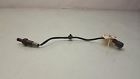
( Manufacturer Part Number: 89465-0C190 ), ( Type: Oxygen Sensor ), ( Fitment Type: Direct Replacement )
Review TOYOTA 5.7l V8 Left Driver Side O2 Oxygen Sensor Oem fits TUNDRA 2007–2013
The 89465-0C190 07-13 Toyota Tundra 5.7L V8 Left Driver O2 Oxygen Sensor is an essential component for maintaining optimal engine performance in your Toyota Tundra. This oxygen sensor is specifically designed for the 2007-2013 models with the 5.7L V8 engine.
This oxygen sensor is responsible for monitoring the amount of unburnt oxygen in the exhaust gases that leave your engine's combustion chamber. By doing so, it helps adjust the fuel-air mixture in the engine to ensure that your vehicle runs efficiently and meets emission standards.
The 89465-0C190 oxygen sensor is made with high-quality materials, ensuring durability and longevity. It features a ceramic sensor element that is coated with a noble metal catalyst, which allows it to accurately measure the oxygen content in the exhaust gases. The sensor is also equipped with a heater element that helps it operate correctly in cold weather conditions.
Installing the 89465-0C190 oxygen sensor is a straightforward process that can be done by a DIY enthusiast or a professional mechanic. The sensor is located on the left side of the engine bay, and it is secured with a few bolts. Once the old sensor is removed, the new one can be installed, and the vehicle can be driven to ensure that it is functioning properly.
In conclusion, the 89465-0C190 07-13 Toyota Tundra 5.7L V8 Left Driver O2 Oxygen Sensor is an essential component for maintaining your vehicle's engine performance and ensuring that it meets emission standards. With its high-quality materials, durable construction, and easy installation process, this oxygen sensor is a great investment for any Toyota Tundra owner.
Pros of buying a Toyota Tundra 5.7L V8 O2 Sensor (89465-0C190):1. Reliability: Toyota is known for its reliability, and this sensor is a direct replacement for the original part.
2. Easy Installation: The O2 sensor is a straightforward part to replace and does not require any special tools or skills.
3. Improved Fuel Efficiency: A faulty O2 sensor can cause your vehicle to burn more fuel than necessary. Replacing the sensor can improve your vehicle's fuel efficiency.
4. Reduced Emissions: A faulty O2 sensor can cause your vehicle to emit more harmful emissions. Replacing the sensor can help reduce your vehicle's emissions.
Cons of buying a Toyota Tundra 5.7L V8 O2 Sensor (89465-0C190):1. Cost: While the O2 sensor itself is not overly expensive, the cost of replacing it can add up when you factor in the cost of labor if you choose to have a mechanic do it for you.
2. Potential for Further Issues: If the O2 sensor is failing, it may be a sign of other issues with your vehicle's exhaust system. Replacing the sensor may only be a temporary solution, and further repairs may be necessary.
Conclusion:If you are experiencing issues with your Tundra's fuel efficiency or emissions, or if your check engine light is on, replacing the O2 sensor may be a necessary repair. While the cost of the sensor itself is not high, the overall cost of repair can add up. It is always a good idea to have a mechanic inspect your vehicle to ensure that there are no other underlying issues that need to be addressed.
Recommendation:If you are comfortable doing so, replacing the O2 sensor yourself can save you money. However, if you are not confident in your ability to do so, it may be best to have a mechanic do it for you. Make sure to choose a reputable mechanic and get a quote for the cost of labor before having the work done.
Details:
Removed from: 2013 Toyota Tundra 4x4 5.
7l v8 limited double cab non flex fuel: original left side lower exhaust oxygen air o2 sensor.
All the parts are tested either before or after removal from vehicle.
Parts only: showing excessive wear damage to the point that repairs modifications must be made for use.
Greyhound: items shipped through greyhound from one bus station to another.
Wash hands after handling.
All electronics are tested before removed from vehicle.
part #: 894650c190 prices
- $36.40-$56.50
specifications emissyste:
- for models: Tundra
- for makes: Toyota
- for years: 2007-2013
- mpn: 89465-0c190
- type: Oxygen Sensor
- fitment type: Direct Replacement
General emissyste:
- Air Intake Fuel Delivery > Sensors
- in stock: Yes
- condition: Used
Seller emissyste:
- rating 10-15-18: 100.0%
- # feedbacks 10-15-18: 2461
- city: Bieber, California
- zipcode: 96009
Returns emissyste:
- paid by: Buyer
- policy: returns accepted
- time: 30 Days
Offer emissyste:
- Started: October 14, 2018, 3:11 pm
- best offer: true
- quantity: 1
- Sold: 0
- bids: 0
Payments emissyste:
- PayPal
Ratings:
- Great seller!!! Its a pleasure doing business with you. 10-13-18
- Fast shipping 10-12-18
- Seri ser K ufer, prompte Bezahlung, gesch tzter Kunde, vorbehaltlos zu empfehlen 10-14-18
- Thank you for a pleasant transaction.Thanks for the purchase, Excellent buyer! 10-14-18
- Great Buyer, fast payment, please come back anytime. 10-14-18
Shipping emissyste:
- type: Flat
- cost: $5.8
- handling: 2 days
Toyota 89465-0C190 Is Similar To:
- 00080-91211 Toyota Corolla Valve Vacuum Switch Oem Vsv (26.7% similar) ...(September 3rd, 2018)
- 12204-20040 Lexus Toyota Oem Genuine Pcv Valve (23.2% similar) ...(October 10th, 2018)
- 12204-62010 1220462010 Toyota Factory Camry Tacoma Pcv Ventilation Valve Oem (29.6% similar) Part number, why settle for aftermarket. When you can have the factory genuine oem at a fraction of cost...(February 3rd, 2019)
- 12261-46051 Lexus Toyota Oem Genuine Pcv Valve Vacuum Hose (24.2% similar) ...(October 10th, 2018)
- 12261-50040 1226150040 Toyota Factory Lexus Pcv Ventilation Hose Oem (32.8% similar) Part number, why settle for aftermarket. When you can have the factory genuine oem at a fraction of cost...(December 27th, 2018)
- 12262-31030 Toyota Oem Genuine Pcv (26% similar) 0L1GRFE GSJ10, GSJ15 part no. This part fits toyota 4RUNNER and DJ cruiser. Part hose, ventilation replaced BY12262-0P010MANUFACTURERTOYOTA. 0L1GRFE GRN210, GRN215TOYOTAFJ CRUISER2007 Cl this genuine toyota part is guaranteed by Toyota's factory warranty. Genuine toyota parts, the right choice your ...(December 17th, 2017)
- 17403-0f050 Toyota 174030f050 Genuine Oem (39.3% similar) ...(March 25th, 2017)
- 17451-21070 Toyota Genuine Oem Front Pipe Gasket (29.8% similar) ...(November 2nd, 2018)
- 17565-55050 Toyota Genuine Oem Muffler Pipe Hanger (34.5% similar) Toyota genuine oem muffler pipe hanger...(June 25th, 2018)
- 175650p031 Toyota Genuine Oem Tailpipe Hanger (34.2% similar) This listing is for a toyota Lexus scion genuine oem factory original tailpipe hanger, part number: 175650P031...(October 7th, 2018)
- 2006 Toyota Highlander Factory Oem (42% similar) No expedited shipping options are available at this time. If an item arrives damaged, please immediately through messaging within at least 24 hours for further instructions...(August 17th, 2017)