62-1513 Engine Crankcase Breather 024844015433
fits model: Element.
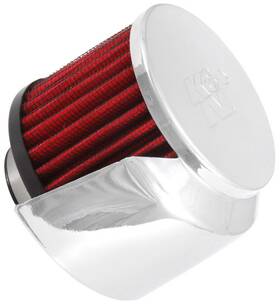
( Brand: K-n ), ( Manufacturer Part Number: 62-1513 ), ( Part Type: Engine Breather ), ( Manufacturer Warranty: 1 Year ), ( Flange Length: 0.625 In ), ( Prop 65 Short Label: Warning ), ( Prop 65 Warning Label: Https ), ( Prop 65 Yes/no: Yes ), ( Title: K N 62-1513 Vent Air Filter/ Breather ), ( Air Filter Material: Non-woven Synthetic ), ( Flange Inside Diameter: 1.375 In ), ( Flange Type: Centered ), ( Oil Included: No ), ( Outside Diameter: 3 In ), ( Package Material: Plastic Other ), ( Package Type: Blisterpack ), ( Top Style: Metal ), ( Vent Outside Diameter: 0 In ), ( Flange Angle: 0 Degrees ), ( Item Type: High Performance ), ( Product Style: Rubber Base Crankcase Vent Filters ), ( Prop 65: C ), ( R Or Cr : Cr ), ( Height: 2.5 In ), ( Weight: 0.3 Lb ), ( Country Of Origin: China ), ( UPC: 024844015433 )
Review K N Engine Crankcase Breather fits ELEMENT
The **62-1513 Engine Crankcase Breather Element** is a precision-engineered filtration component designed specifically for high-performance and heavy-duty internal combustion engines, ensuring optimal crankcase ventilation while maintaining peak operational efficiency. This high-quality breather element is crafted from a durable, oil-resistant synthetic fiber media that effectively traps contaminants, oil mist, and particulate matter, preventing them from entering the engine s induction system or exhaust manifold. Its robust construction minimizes clogging and maximizes airflow, which is critical for engines operating under demanding conditions, such as those found in marine applications, industrial machinery, or high-output automotive setups. The breather element features a tight, secure fit within the crankcase ventilation system, utilizing a reliable sealing mechanism to prevent leaks and ensure a consistent flow of gases while protecting critical engine components from harmful deposits. Ideal for engines requiring strict emissions control and extended service intervals, this breather element helps maintain engine cleanliness, reduces carbon buildup on intake valves, and prolongs the life of the entire crankcase ventilation system. Whether used in original equipment applications or as a replacement part for aftermarket modifications, the **62-1513** delivers consistent performance, making it a trusted choice for mechanics and enthusiasts seeking reliable filtration solutions.
### Pros and Cons of Buying a Replacement Crankcase Breather Element (62-1513 Engine)
#### **Pros:**1. **Prevents Oil Contamination** A clogged or damaged crankcase breather element allows oil vapors and particles to enter the intake system, leading to oil dilution in the fuel mixture. Replacing it ensures proper filtration, maintaining engine cleanliness and performance.
2. **Improves Engine Efficiency** A clean breather element allows smooth airflow, reducing backpressure in the crankcase. This helps the engine breathe better, improving combustion efficiency and fuel economy.
3. **Extends Engine Life** By preventing oil and debris from entering critical components like the intake manifold, PCV (Positive Crankcase Ventilation) system, and cylinder head, a functional breather element reduces wear and tear on the engine.
4. **Reduces Emissions** A properly functioning breather system helps recirculate crankcase gases through the intake, reducing harmful emissions that would otherwise escape through leaks or an improperly vented system.
5. **Prevents Engine Knocking or Pinging** Excessive crankcase pressure from a clogged breather can cause oil to leak into combustion chambers, leading to knocking or misfiring. Replacing the element resolves this issue.
6. **Cost-Effective Maintenance** Replacing the breather element is a relatively inexpensive part compared to potential engine damage caused by neglecting it. It s a simple DIY job that requires minimal tools.
7. **Prevents Oil Leaks** A failing breather can contribute to increased crankcase pressure, stressing seals and gaskets, which may lead to oil leaks. Replacing it helps maintain proper pressure balance.
8. **Compliance with Manufacturer Specifications** Many modern engines rely on the PCV system working correctly. Using an OEM or high-quality aftermarket replacement ensures the engine operates as intended by the manufacturer.
---
#### **Cons:**1. **Potential for Counterfeit or Low-Quality Parts** If purchasing from an untrusted source, there s a risk of receiving a substandard or fake part that may fail prematurely or not fit properly.
2. **DIY Difficulty for Inexperienced Mechanics** While the replacement is straightforward, locating the breather element (especially in tight engine bays) can be challenging for those unfamiliar with engine maintenance. Incorrect handling may damage surrounding components.
3. **Misdiagnosis of Symptoms** If the issue isn t the breather element (e.g., a failing PCV valve, oil leaks, or vacuum leaks), replacing just the element may not resolve the problem, leading to wasted time and money.
4. **Environmental Concerns (If Not Disposed Properly)** Old breather elements contain oil residues and carbon deposits. Improper disposal may pose environmental risks, though this is more of a general maintenance concern than a direct drawback of the part itself.
5. **Routine Replacement Required** Like any filter, the breather element will eventually clog and need replacement. This means it s not a one-time fix but part of regular engine maintenance.
6. **Compatibility Issues** While the 62-1513 part is likely designed for specific engines, using the wrong model or aftermarket variant (e.g., one with incorrect thread size or mounting style) could lead to leaks or improper function.
7. **Time-Consuming for Busy Owners** If the owner lacks time or patience for maintenance tasks, they may delay replacement, risking long-term engine damage.
---
### **Conclusion:**Replacing a crankcase breather element (such as the 62-1513) is a **highly recommended and cost-effective preventive measure** for maintaining engine health. The benefits such as improved efficiency, extended engine life, and prevention of oil contamination far outweigh the minor drawbacks, which are largely avoidable with proper care. The risks associated with neglecting this part (e.g., oil dilution, increased emissions, or engine damage) are significantly greater than the inconveniences of replacement.
For most vehicle owners, especially those who perform basic maintenance themselves, the **pros heavily favor purchasing and installing a new breather element**. It s a small investment that pays off in the long run by preserving engine performance and longevity.
### **Recommendation:**- **Purchase an OEM or high-quality aftermarket part** (e.g., from trusted brands like Mann, WIX, or the manufacturer s approved suppliers) to ensure reliability and compatibility.
- **Follow the vehicle s maintenance schedule** for replacing the breather element, typically every **30,000 60,000 miles** or as recommended in the owner s manual.
- **Inspect the PCV system as a whole** if symptoms persist after replacement (e.g., oil leaks, rough idle, or excessive crankcase pressure), check the PCV valve, hoses, and seals.
- **Dispose of the old element properly** by cleaning it of oil residues before recycling or disposing of it according to local regulations.
- **Consider professional help** if unsure about locating or replacing the part, especially in complex engine bays.
In summary, **do not delay replacing a worn or clogged crankcase breather element** it s a simple yet critical part of keeping your engine running smoothly.
Details:
In addition to performance air filters, K N manufactures a variety of other protection and products, including intake systems, oil fuel cabin home filters. Driven by innovation and a commitment to excellence, SP Performance continues set the standard in braking technology aftermarket automotive solutions. Each rotor is finished with our premium ZRC coating to protect against rust and corrosion. All K N products undergo rigorous testing to ensure that they adhere demanding quality standards.
Our rotors are crafted using advanced CNC machining techniques and undergo rigorous quality inspections to ensure optimal performance, durability, consistency. Our drilled and slotted rotors are designed to enhance cooling, reduce brake fade, improve overall braking efficiency.
part #: 621513 prices
- $40.20-$51.09
specifications emissyste:
- for models: Element
- brand: K-n
- mpn: 62-1513
- part type: Engine Breather
- manufacturer warranty: 1 Year
- flange length: 0.625 In
- prop 65 short label: Warning
- prop 65 warning label: Https
- prop 65 yes/no: Yes
- title: K N 62-1513 Vent Air Filter/ Breather
- air filter material: Non-woven Synthetic
- flange inside diameter: 1.375 In
- flange type: Centered
- oil included: No
- outside diameter: 3 In
- package material: Plastic Other
- package type: Blisterpack
- top style: Metal
- vent outside diameter: 0 In
- flange angle: 0 Degrees
- item type: High Performance
- product style: Rubber Base Crankcase Vent Filters
- prop 65: C
- r or cr : Cr
- height: 2.5 In
- weight: 0.3 Lb
- country of origin: China
- upc: 024844015433
shipping emissyste:
- class: Standard
- service: FedEx Ground / FedEx Home Delivery
- carrier: FedEx
- cost: $0.00
- type: Fixed
- transit: 5-12 Days
seller emissyste:
- city: Lawrenceburg, Indiana
- # reviews: 30401
- rating: 99.6%
returns emissyste:
- paid by: Seller
- time: 30 Days
- policy: Returns Accepted
payments emissyste:
- credit card: Mastercard
- other
- wallet: Google-pay
general emissyste:
- Car Truck Parts Accessories > Exhaust Emission Systems > Other Exhaust Emission Parts
- condition: New
offer emissyste:
- quantity: 4
- availability: In Stock
- sold: 0
- options: Ship-to-home
- started: February 6, 2026
K-n 62-1513 Is Similar To:
- 058 103 213 058103213 Unbranded Set Pcv Engine Crankcase Breather Hose Valve 614251440159 (49.3% similar) Part: 035103245G-A prices...(May 21st, 2018)
- 147 06098 001 Wd Express Engine Crankcase Vent Fits Bmw (44.2% similar) You won't be disappointed. Our team of certified car quest counter pros are Best in the biz. This part fits vehicles made in the following years 2006 , 2007 , 2008 , 2009 , 2010 , 2011 , 2012 . 0SI convertible 2-DOOR, SDRIVE30I sport sedan 4-DOOR, top XDRIVE28I utility XDRIVE30I 4-DOOR...(May 26th, 2018)
- 2637.1600 Cohline New Engine Crankcase (48.3% similar) Shipping labels may only be applied to a separate, outer box. Vehicles sold outside of the USA may be different, even if they have same make and model name...(January 11th, 2018)
- 42121 Wix New Engine Crankcase 765809421219 (47.8% similar) Shipping labels may only be applied to a separate, outer box. Vehicles sold outside of the USA may be different, even if they have same make and model name...(November 3rd, 2017)
- 46976 Wix Ford Pickup Bronco Superduty Engine Crankcase Breather Element (61.2% similar) Else document. Free shipping...(May 31st, 2018)
- 904-418 Dorman New Engine Crankcase Breather Element 885484373181 (63.2% similar) Vehicles sold outside of the USA may be different, even if they have same make and model name. Shipping labels may only be applied to a separate, outer box...(May 14th, 2018)
- Abv0110p Contitech New Engine Crankcase Breather Hose 843266053355 (55.7% similar) Shipping labels may only be applied to a separate, outer box. Vehicles sold outside of the USA may be different, even if they have same make and model name...(September 28th, 2018)
- Abv0118r Contitech New Engine Crankcase 843266053430 (43.6% similar) Shipping labels may only be applied to a separate, outer box. Vehicles sold outside of the USA may be different, even if they have same make and model name...(October 1st, 2017)
- Abv0145 Contitech New Engine Crankcase 843266072196 (44% similar) Shipping labels may only be applied to a separate, outer box. Vehicles sold outside of the USA may be different, even if they have same make and model name...(December 20th, 2017)
- C118 Mann New Engine Crankcase Breather Element (75% similar) Shipping labels may only be applied to a separate, outer box...(June 11th, 2018)
- Emh107 Gates New Engine Crankcase Breather Hose 770075689553 (55% similar) Vehicles sold outside of the USA may be different, even if they have same make and model name. Shipping labels may only be applied to a separate, outer box...(May 30th, 2018)