FORD 2C2Z-19C827-A Vacuum Line
fits make: Ford.
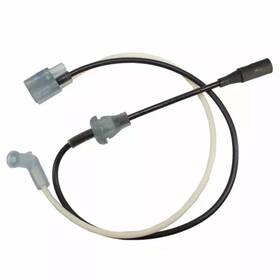
( Manufacturer Part Number: 2C2Z-19C827-A ), ( Part Type: Vacuum Line ), ( Genuine Oem: Yes ), ( Manufacturer Warranty: 1 Year ), ( Universal Fitment: Direct Replacement ), ( Parts Included: Only Part Reference 10 On The Diagram Is Included ), ( Replaces Part Number: F2uz19c827a )
Review FORD Genuine Vacuum Line
The **Ford 2C2Z-19C827-A Vacuum Line** is a high-quality, precision-engineered component designed specifically for Ford vehicles equipped with electronic climate control systems, particularly those featuring the 2C2Z vacuum switch or related vacuum-actuated mechanisms. This vacuum line is crafted from durable, flexible **polyvinyl chloride (PVC) or silicone tubing**, ensuring resistance to oil, fuel, and environmental contaminants while maintaining optimal flexibility for reliable operation. Engineered to meet Ford s stringent automotive standards, it features a **reinforced, kink-resistant construction** that prevents collapse under vacuum pressure, guaranteeing consistent airflow and performance even in demanding conditions. The line is equipped with **secure, leak-proof fittings**, often including **barbed or threaded connectors**, which are designed to interface seamlessly with the vehicle s vacuum ports, reducing the risk of air leaks that could compromise climate control efficiency. Whether used in applications such as the **A/C clutch engagement, power window regulators, or other vacuum-assisted systems**, this vacuum line ensures smooth, quiet operation while withstanding the thermal and mechanical stresses of daily driving. Built to last, it is compatible with a range of Ford models, including select **F-Series trucks, Excursions, and SUVs**, making it an essential replacement part for maintaining optimal functionality in vacuum-dependent systems. Its robust design and compatibility with Ford s electronic diagnostics systems also simplify installation and troubleshooting, providing a hassle-free solution for mechanics and DIY enthusiasts alike.
### **Pros and Cons of Buying a Ford 2C2Z-19C827-A Vacuum Line**
The **Ford 2C2Z-19C827-A** is a vacuum line assembly commonly used in Ford vehicles, particularly in intake manifolds and throttle body systems. Below is a detailed breakdown of its advantages and disadvantages.
---
### **Pros**
1. **Compatibility and Fitment**
- Designed specifically for certain Ford models, ensuring a proper fit without modifications. This reduces the risk of leaks or improper sealing.
- Often used in performance applications where precise airflow is critical, such as in turbocharged or high-performance intake setups.
2. **Durability and Material Quality**
- Typically made from high-quality rubber or silicone, which resists cracking, kinking, or degradation over time, especially in high-temperature environments.
- Some versions are reinforced with braided wire or stainless steel mesh for added strength, preventing collapse under vacuum pressure.
3. **Easy Installation**
- Designed to be a direct replacement for OEM vacuum lines, making installation straightforward for DIY enthusiasts with basic tools.
- Often comes with clamps or connectors that match the vehicle s existing hardware, simplifying the upgrade process.
4. **Performance Benefits**
- High-quality vacuum lines reduce airflow restriction, which can improve engine efficiency, especially in applications where vacuum-sensitive components (like wastegate actuators or boost controllers) are present.
- Some aftermarket versions are designed to be more flexible, reducing stress on the intake manifold and preventing cracks over time.
5. **Cost-Effective Upgrade**
- Significantly cheaper than a full intake manifold replacement, offering a targeted improvement for specific issues (e.g., vacuum leaks, cracked OEM lines).
- Extends the lifespan of related components by maintaining consistent vacuum levels.
6. **Aftermarket Support and Customization**
- Available in various lengths and configurations to suit different builds, including turbocharged, supercharged, or naturally aspirated setups.
- Some manufacturers offer custom-colored or braided lines for aesthetic purposes, appealing to tuners and enthusiasts.
7. **Prevents Common Failures**
- Replacing worn or brittle OEM vacuum lines can prevent vacuum leaks, which can cause rough idle, poor acceleration, or check engine lights (due to MAF sensor or vacuum sensor issues).
---
### **Cons**
1. **Potential for Counterfeit or Low-Quality Parts**
- The aftermarket for vacuum lines is not heavily regulated, leading to risks of purchasing subpar or counterfeit products. Poor-quality rubber can degrade quickly, leading to leaks or failure.
- Always verify the manufacturer s reputation and material specifications before purchasing.
2. **Limited Longevity in Harsh Conditions**
- While high-quality lines are durable, extreme temperatures (e.g., in high-performance or desert environments) can accelerate wear.
- Oil leaks or coolant contamination can degrade rubber lines over time, requiring more frequent replacements.
3. **Compatibility Issues with Modified Systems**
- If the vehicle has been heavily modified (e.g., custom intake manifolds, turbo upgrades, or aftermarket sensors), the stock vacuum line may not fit or function correctly.
- Some aftermarket lines may require additional adapters or modifications to integrate properly.
4. **Cost Variability**
- Prices can vary widely depending on the brand, material, and whether the line is braided or reinforced. Higher-end options may not always justify the cost for basic applications.
- Bulk purchases or sets (e.g., for multiple lines) may offer better value but could include unnecessary components.
5. **Installation Challenges**
- In some vehicles, vacuum lines are routed through tight spaces, making installation difficult without disassembling other components (e.g., air filters, intake boots).
- Improper installation (e.g., over-tightening clamps) can damage the line or create leaks.
6. **Limited Warranty or Support**
- Many aftermarket vacuum lines come with minimal or no warranty, leaving the buyer responsible for any premature failures.
- Customer support for aftermarket parts can be inconsistent, making troubleshooting difficult if issues arise.
7. **Environmental and Maintenance Considerations**
- Rubber or silicone lines can degrade when exposed to ozone, UV light, or fuels with high ethanol content, reducing their lifespan.
- Regular inspection is required to ensure lines remain intact, especially in high-performance or daily-driver applications.
---
### **Conclusion**
The **Ford 2C2Z-19C827-A vacuum line** (or its aftermarket equivalents) is a practical and cost-effective upgrade for addressing vacuum-related issues in Ford vehicles. Its primary strengths lie in **durability, ease of installation, and performance improvements**, making it a worthwhile investment for both stock and modified applications. However, **quality control, compatibility, and long-term reliability** depend heavily on the brand and installation quality.
For most enthusiasts, upgrading to a **high-quality, braided or reinforced vacuum line** is a smart move especially if the OEM lines are cracked or leaking. That said, **purchasing from reputable manufacturers** (e.g., AIRTEX, MEGA, or Ford-approved aftermarket brands) and ensuring proper installation are critical to maximizing its benefits.
---
### **Recommendation**
1. **Verify Compatibility**: Confirm that the **2C2Z-19C827-A** (or its equivalent) is the correct part for your specific Ford model and application (e.g., F-150, Mustang, EcoBoost, etc.). Check with a parts database or a trusted mechanic if unsure.
2. **Choose a High-Quality Brand**: Opt for **braided or reinforced silicone/rubber lines** from brands known for durability (e.g., AIRTEX, MEGA, or Ford Performance Parts). Avoid generic or no-name products to prevent premature failure.
3. **Inspect for Leaks**: Before purchasing, check your current vacuum lines for cracks, brittleness, or leaks. If they re already failing, replacing them is a proactive step.
4. **Consider a Full Set**: If your vehicle has multiple vacuum lines, purchasing a **complete set** (e.g., for throttle body, wastegate, or boost controller) ensures consistency and simplifies installation.
5. **Professional Installation (If Needed)**: If the lines are difficult to access or your vehicle has complex routing, consider having a mechanic install them to avoid damage.
6. **Monitor Performance**: After installation, watch for improvements in **idle stability, throttle response, and sensor readings** (e.g., MAF or boost pressure). If issues persist, recheck for leaks or improper connections.
**Final Verdict**: For most Ford owners dealing with vacuum-related problems, upgrading to a **reliable aftermarket vacuum line** is a **low-risk, high-reward** upgrade. The **2C2Z-19C827-A** (or its equivalent) is a solid choice if properly sourced and installed, offering better longevity and performance than OEM parts. However, always prioritize **quality over cost** to avoid future headaches.
Details:
Shipping Carrier substitutions may be made at our determination in an attempt to reduce shipping cost the customer. That's why we maintain a robust inventory, ensuring fast shipping, and minimizing downtime. Electrical parts are not returnable. Parts must be resalable and in the original packaging.
Nobody likes the return process so let us help you.
part #: 2c2z19c827 prices
- $117.45-$137.19
specifications emissyste:
- for makes: Ford
- mpn: 2c2z-19c827-a
- part type: Vacuum Line
- genuine oem: Yes
- manufacturer warranty: 1 Year
- universal fitment: Direct Replacement
- parts included: Only Part Reference 10 On The Diagram Is Included
- replaces part number: F2uz19c827a
offer emissyste:
- quantity: 1
- started: April 1, 2026
- options: Ship-to-home
- availability: In Stock
- sold: 0
general emissyste:
- condition: New
- Car Truck Parts Accessories > Exhaust Emission Systems > Other Exhaust Emission Parts
shipping emissyste:
- type: Fixed
- transit: 3-9 Days
- service: Standard, Expedited, Overnight
- class: Standard, Expedited, One-day
- cost: $0.00
seller emissyste:
- city: Orlando, Florida
- # reviews: 3123
- rating: 99.4%
payments emissyste:
- credit card: Visa
- wallet: Google-pay
- other
returns emissyste:
- policy: Returns Accepted
- time: 30 Days
- paid by: Seller
Ford 2C2Z-19C827 Is Similar To:
- -w520103-s403 Ford Mercury Genuine Front Muffler Nut (37.8% similar) Orders: orders cannot be canceled once shipped. Keep all packaging and paperwork wrongly boxed or incorrect part: to discuss your case. If the item is packaged separately IE: in a bag, etc. Most orders ship with in 48 hours. Part must have been installed by a ford factory trained service technician...(May 20th, 2018)
- -w705443-s900 Ford Lincoln Mercury Genuine Catalytic Converter Nut (38.5% similar) Electrical parts are not returnable. Super cab, without sunroof, spry code at crew. Shipping carrier substitutions may be made at our determination in an attempt to reduce cost the customer. Parts must be resalable and in the original packaging. Single exhaust. 8L, dual exhaust...(July 20th, 2018)
- -w714265-s441 Ford Lincoln Genuine Front Pipe Nut (39.1% similar) Please see our shipping page for details. Part must have been installed by a ford factory trained service technician, and request include documentation from that dealer technician as to the defect. In stock orders ship within 72 hours. Keep all packaging and paperwork. If the item is packaged ...(June 1st, 2018)
- 1c2z 6853 A Ford Genuine Hose Connecting (41% similar) Parts must be resalable and in the original packaging. Hazmat parts are not returnable. Shipping carrier substitutions may be made at our determination in an attempt to reduce cost the customer. Electrical parts are not returnable. Non-returnable parts are marked as such and sold as-is...(November 16th, 2018)
- 1f1z-9c047-be Ford Genuine Tube Fuel (40.5% similar) Electrical parts are not returnable. Parts must be resalable and in the original packaging. Shipping carrier substitutions may be made at our determination in an attempt to reduce cost the customer...(May 5th, 2017)
- 1l5z-9g291-ca Ford Genuine Tube Assembly (38.5% similar) Shipping carrier substitutions may be made at our determination in an attempt to reduce cost the customer. Parts must be resalable and in the original packaging. Electrical parts are not returnable...(January 5th, 2018)
- 2f1z-7f401-aa Ford Genuine Oem Converter Seal (41% similar) ...(August 2nd, 2018)
- 2f1z14b205hb Ford Genuine Electronic Module (34.6% similar) Shipping: I only ship inside the USA. Original box shows moderate damage as well stickers and marker marks. Condition: new other, open box...(March 20th, 2017)
- 3c3z-9a332-aa Ford Genuine Tube Fuel Supply (37% similar) Electrical parts are not returnable. Shipping carrier substitutions may be made at our determination in an attempt to reduce cost the customer. 5 million in genuine ford and motor craft parts...(March 7th, 2019)
- 3s4g-9j559-ba Mazda Ford Oem Vsv Vacuum Switch Valve Solenoid (32.3% similar) 3l Milan best regards al...(February 18th, 2019)
- 4c2z-9k318-ea Ford Genuine Oem Tube (54.8% similar) ...(June 10th, 2018)