STANDARD IGNITION V674 2-9795 Engine Crankcase Breather Hose
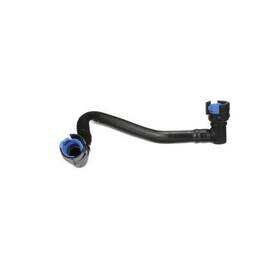
( Brand: Standard Ignition ), ( Manufacturer Part Number: V674 ), ( Part Type: Engine Breather Hose ), ( Ipn: 2-9795 )
Review STANDARD IGNITION Engine Crankcase Breather Hose
The **Standard Ignition 2-9795 V674 Engine Crankcase Breather Hose** is a precision-engineered component designed to maintain optimal performance and longevity for internal combustion engines equipped with the V674 series, commonly found in marine, industrial, and heavy-duty applications. This high-quality breather hose plays a critical role in the engine s ventilation system by allowing controlled airflow to escape the crankcase while preventing harmful contaminants, moisture, and debris from entering the combustion chamber. Crafted from durable, heat-resistant synthetic rubber with a reinforced braided fiberglass or polyester cover, the hose is engineered to withstand extreme temperatures, oil exposure, and mechanical stress, ensuring reliable operation even in demanding environments. Its flexible yet robust construction allows for smooth movement and vibration resistance, reducing the risk of kinking or premature failure, which could lead to costly engine damage or performance degradation. The hose s precise fitment ensures a secure connection to the engine s breather system, minimizing leaks and maintaining proper crankcase pressure essential for preventing oil leaks, reducing emissions, and protecting critical engine components from carbon buildup or sludge accumulation. Whether installed in a marine outboard, generator set, or industrial power unit, this breather hose exemplifies reliability and engineering excellence, providing a straightforward yet vital solution for maintaining engine health and efficiency over extended service intervals.
Buying a replacement **standard ignition 2-9795 V674 engine crankcase breather hose** involves weighing several practical and financial considerations. Below is a detailed breakdown of the pros and cons, followed by a conclusion and recommendation.
---
### **Pros of buying a Replacement Hose**
1. **Prevents Engine Damage**
The crankcase breather hose helps regulate pressure within the engine s crankcase by venting gases and preventing oil leaks or blow-by. A failing hose can lead to excessive pressure buildup, causing oil leaks, gasket failures, or even catastrophic engine damage. Replacing it proactively avoids costly repairs.
2. **Improves Engine Performance and Efficiency**
A clogged or damaged breather hose restricts airflow, which can lead to poor combustion, reduced fuel efficiency, and increased emissions. A new hose ensures proper ventilation, maintaining optimal engine function.
3. **Extends Engine Lifespan**
By preventing oil contamination and pressure-related stress on seals and gaskets, a functional breather hose contributes to the longevity of the engine components. This is particularly important for older or high-mileage vehicles.
4. **Easy and Cost-Effective Replacement**
The part is relatively inexpensive and straightforward to replace, typically requiring minimal tools and time. Most DIY mechanics can handle the job without professional assistance, saving on labor costs.
5. **Prevents Unpleasant Odors and Smoke**
A failing breather hose can allow unburned fuel or oil vapors to escape into the cabin or surrounding area, causing foul smells or visible smoke. Replacing it eliminates these nuisances.
6. **Compatibility and Availability**
The V674 engine (common in older industrial or marine applications) has a well-documented parts ecosystem. The 2-9795 breather hose is a standard component, ensuring easy availability from aftermarket suppliers or original equipment manufacturers (OEM).
7. **Part of Routine Maintenance**
Many manufacturers recommend inspecting and replacing breather hoses as part of regular engine maintenance, similar to oil changes or filter replacements. Proactively addressing it aligns with best practices for vehicle upkeep.
---
### **Cons of buying a Replacement Hose**
1. **Potential for Counterfeit or Low-Quality Parts**
Some aftermarket suppliers may sell inferior or counterfeit hoses that fail prematurely or do not fit correctly. This can lead to recurring issues and frustration. Verifying the supplier s reputation and part authenticity is crucial.
2. **Misdiagnosis of Symptoms**
If the breather hose is not the root cause of observed issues (e.g., oil leaks, rough idle, or check engine lights), replacing it without proper diagnosis may not resolve the problem. Other components like PCV valves, gaskets, or seals might need attention.
3. **Time and Effort Required**
While the replacement is simple, it still requires disassembling parts of the engine bay, such as removing the air filter housing or intake manifold, to access the hose. For those unfamiliar with engine work, this could be time-consuming or intimidating.
4. **Cost of Additional Materials**
Beyond the hose itself, you may need to purchase new clamps, gaskets, or seals if the old ones are damaged. These minor components add to the overall cost but are often necessary for a proper job.
5. **Risk of Overlooking Underlying Issues**
If the breather hose fails due to a larger problem (e.g., a cracked crankcase or failing PCV system), replacing just the hose without addressing the cause may lead to repeated failures. A thorough inspection is advisable.
6. **Environmental and Safety Concerns**
Handling engine components involves exposure to oil, fuel, and other contaminants. Proper disposal of old hoses and materials is necessary to avoid environmental harm or safety hazards.
7. **Warranty or Guarantee Limitations**
Some aftermarket parts may come with limited warranties or no guarantees. If the hose fails shortly after installation, you may be out of luck unless you purchased from a reputable dealer with a return policy.
---
### **Conclusion**
The decision to replace the **2-9795 V674 engine crankcase breather hose** is largely a preventive measure with clear benefits for engine health and performance. The pros significantly outweigh the cons, particularly for vehicles where the hose is known to degrade over time or for those experiencing symptoms like oil leaks, pressure buildup, or poor engine operation. The cost and effort involved are minimal compared to the potential damage avoided.
However, the cons highlight the importance of **due diligence**:- **Source the part from a trusted supplier** to avoid counterfeit or low-quality replacements.
- **Perform a thorough diagnosis** to ensure the hose is indeed the issue before purchasing.
- **Follow proper installation procedures** to avoid leaks or improper sealing.
- **Consider professional help** if unsure about the replacement process to ensure it is done correctly.
---
### **Recommendation**
**Purchase and replace the breather hose if:**- You are experiencing symptoms like oil leaks, excessive crankcase pressure, or poor engine performance.
- The hose is visibly cracked, brittle, or disconnected.
- You are conducting routine maintenance on an older vehicle where the hose is likely worn.
**Steps to Take:**1. **Verify the part number** (2-9795) and ensure compatibility with your specific V674 engine model.
2. **Buy from a reputable supplier**, such as an OEM dealer, authorized distributor, or well-reviewed aftermarket vendor. Avoid unknown sellers with no return policy.
3. **Gather necessary tools** (screwdrivers, pliers, new clamps if needed) and follow a step-by-step guide or video for installation.
4. **Inspect other related components** (PCV valve, gaskets, seals) while the engine bay is open, as they may also need attention.
5. **Dispose of the old hose properly**, following local regulations for automotive waste.
**Final Verdict:**Replacing the breather hose is a **low-risk, high-reward** maintenance task. For most owners, the investment is justified by the protection it provides for the engine. If in doubt about the condition of the hose or your ability to replace it, consult a mechanic for professional assessment and installation.
Details:
Standard Ignition V674 Engine Crankcase Breather Hose: Part Number: Manufacturer. Engineered using the latest technology to ensure product lasts longer in service. Designed specifically for trucks, trailers, and buses. Made of high-quality components for durability, reliability, and performance.
Manufactured following strict OE Standards to work like the original component. Engineered with a factory-like design for effortless installation, ensuring perfect match your vehicle.
specifications emissyste:
- brand: Standard Ignition
- mpn: V674
- part type: Engine Breather Hose
- ipn: 2-9795
returns emissyste:
- time: 30 Days
- policy: Returns Accepted
- paid by: Seller
payments emissyste:
- other
- credit card: Visa
- wallet: Apple-pay
general emissyste:
- condition: New
- Car Truck Parts Accessories > Exhaust Emission Systems > Other Exhaust Emission Parts
offer emissyste:
- sold: 0
- quantity: 2
- availability: In Stock
- options: Ship-to-home
- started: February 22, 2026
- best offers: True
shipping emissyste:
- service: Standard
- transit: 4-7 Days
- class: Standard
- type: Fixed
- cost: $0.00
seller emissyste:
- rating: 99.2%
- # reviews: 65372
- city: Los Angeles, California
Standard Ignition V674 Is Similar To:
- At105 Standard Motor Products Dorman Emission Control Pipe Fits Gm Engine (33.1% similar) Some may have box damage. Orders will all ship safe and secure. Doorman emission control pipe fits gm v6 engine ref. Super fast shipping. Standard AT105 reference motor products for fitment nos new old stock. All are 100 brand new and come with a 30 day warranty...(October 21st, 2018)
- At188 Standard Motor Products Ignition Air Injection Pipe (37.6% similar) Just the option. Our expertise your car is one of most important investments so we treat vehicle as the asset it. Your satisfaction is our motivation...(June 19th, 2018)
- Cp3119 Standard Motor Products Ignition Vapor Canister (42.1% similar) Our expertise your car is one of most important investments so we treat vehicle as the asset it. Just the option. Your satisfaction is our motivation...(November 10th, 2018)
- Cp423 Standard Motor Products Ignition Vapor Canister Vent Solenoid 707390038896 (41.4% similar) Your satisfaction is our motivation. Just the option. Our expertise your car is one of most important investments so we treat vehicle as the asset it...(September 18th, 2018)
- Cp465 Standard Motor Products Ignition Vapor Canister Purge Valve 025623223018 (42% similar) Our expertise your car is one of most important investments so we treat vehicle as the asset it. Your satisfaction is our motivation. Just the option...(September 18th, 2018)
- Cp467 Standard Ignition Vapor Canister Purge Valve (52.7% similar) Your satisfaction is our motivation. Just the option. Our expertise your car is one of most important investments so we treat vehicle as the asset it...(November 10th, 2018)
- Cp540 Standard Ignition Vapor Canister Purge Valve 025623444758 (47.2% similar) Your satisfaction is our motivation. Our expertise your car is one of most important investments so we treat vehicle as the asset it. Just the option...(September 11th, 2018)
- Cp552 Standard Ignition Vapor Canister Purge Valve 025623433660 (47.2% similar) Outdoor gear bikes, camping gear, etc. Our satisfaction guarantee all of products are brand new from the factory, and shipped in original packaging manufacturer, carrying that manufacturers warranty. That has been used is also not returnable...(September 15th, 2018)
- Cp559 Standard Ignition Vapor Canister Purge Solenoid 025623444550 (46% similar) Just the option. Your satisfaction is our motivation. Our expertise your car is one of most important investments so we treat vehicle as the asset it...(September 19th, 2018)
- Cp586 Standard Ignition Vapor Canister Purge Solenoid (51.3% similar) Just the option. Our expertise your car is one of most important investments so we treat vehicle as the asset it. Your satisfaction is our motivation...(September 13th, 2018)
- Cp598 Standard Ignition Vapor Canister Purge Solenoid 025623713168 (46% similar) Outdoor gear bikes, camping gear, etc. That has been used is also not returnable. Standard Ignition vapor canister purge solenoid P/N:CP598 connector gender: male connector quantity 1TERMINAL male terminal 2TERMINAL type blade manufacturer Standard motor products brand Standard model NUMBERCP598 UPC...(May 6th, 2018)