STANDARD IGNITION V501 2-9643 Pcv Valve
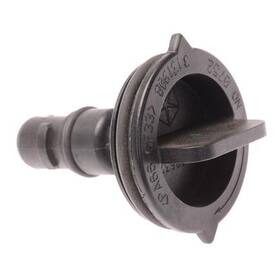
( Brand: Standard Ignition ), ( Manufacturer Part Number: V501 ), ( Part Type: Valve ), ( Ipn: 2-9643 )
Review STANDARD IGNITION Pcv Valve
The **Standard Ignition 2-9643 V501 PCV Valve** is a high-performance, precision-engineered component designed to optimize engine efficiency, reduce emissions, and enhance overall drivability in modern vehicles equipped with Positive Crankcase Ventilation (PCV) systems. This valve plays a critical role in maintaining proper crankcase pressure by routing blow-by gases from the engine s combustion chambers back into the intake manifold, where they are safely burned again rather than being expelled into the atmosphere. Crafted from durable, heat-resistant materials, the V501 model features a robust spring-loaded mechanism that ensures consistent and reliable operation under varying engine conditions, from idle to high RPM. Its advanced design incorporates a precision-machined valve seat and a sealed diaphragm, which minimizes internal leakage and prevents carbon buildup common issues that can impair performance in older or high-mileage engines. This valve is specifically engineered to meet or exceed OEM specifications, making it an ideal replacement for factory PCV valves in a wide range of vehicles, including those from General Motors, Ford, Chrysler, and other major automakers. Whether installed in a daily driver, a performance-oriented vehicle, or a classic car restoration project, the 2-9643 V501 delivers superior airflow control, helping to reduce oil consumption, prevent sludge formation, and extend the lifespan of critical engine components. Its compact yet robust construction ensures easy installation, fitting seamlessly into existing PCV system lines without the need for additional modifications. For enthusiasts and mechanics seeking a dependable, long-lasting solution to maintain engine health and compliance with emissions standards, the Standard Ignition V501 PCV Valve stands as a trusted choice.
### Pros and Cons of Buying a Standard Ignition 2-9643 V501 PCV Valve
#### **Pros:**1. **Cost-Effective Solution** The PCV valve is a relatively inexpensive part, often costing between $5 and $20, depending on the brand and retailer. This makes it a low-risk purchase compared to more complex engine components.
2. **Easy to Install** The PCV valve is typically located near the valve cover and is connected via a hose. Replacement is a straightforward DIY task that requires minimal tools, such as a socket wrench and possibly a new hose if damaged.
3. **Prevents Engine Contamination** A faulty PCV valve can allow crankcase gases to enter the intake system, leading to oil dilution, carbon buildup, and reduced engine performance. Replacing it helps maintain proper engine function and longevity.
4. **Improves Emissions and Fuel Efficiency** A properly functioning PCV valve ensures that blow-by gases are vented correctly, reducing emissions and potentially improving fuel economy by preventing unnecessary carbon deposits in the combustion chamber.
5. **Prevents Long-Term Damage** Ignoring a failing PCV valve can lead to more serious issues, such as clogged intake valves, oil leaks, or even engine stalling. Replacing it early avoids costly repairs down the line.
6. **Widely Available** Since the PCV valve is a common automotive part, it is readily available at auto parts stores, online retailers, and even at some gas stations. This ensures quick access to a replacement.
7. **No Specialized Skills Required** Unlike more complex repairs, replacing a PCV valve does not require mechanical expertise. Most drivers can complete the job in under 30 minutes with basic instructions.
---
#### **Cons:**1. **Potential Counterfeit or Low-Quality Parts** Some aftermarket PCV valves may be of inferior quality, leading to premature failure or improper sealing. Buying from reputable brands or dealerships helps mitigate this risk.
2. **Misdiagnosis of Symptoms** If the PCV valve is not the actual cause of the issue (e.g., vacuum leaks, carbon buildup, or a failing crankshaft sensor), replacing it may not resolve the problem. A proper diagnosis is essential before purchasing.
3. **Hose Replacement May Be Needed** If the PCV valve s connecting hose is cracked or deteriorated, it must be replaced as well. This adds to the cost and effort if not accounted for upfront.
4. **Temporary Fix for Underlying Issues** In some cases, a failing PCV valve is a symptom of a larger problem, such as excessive oil consumption or a worn piston ring. Replacing just the PCV valve may provide temporary relief but not a permanent solution.
5. **Environmental Concerns (If Not Disposed Properly)** Old PCV valves contain small amounts of oil and contaminants. If not recycled or disposed of correctly, they could contribute to environmental pollution.
6. **Limited Lifespan** While PCV valves are durable, they can wear out over time, especially in high-mileage vehicles or those exposed to extreme conditions. Regular inspection is recommended.
7. **Incorrect Valve for Vehicle** Using the wrong PCV valve (e.g., one designed for a different engine or model) can lead to poor performance or damage. Always verify compatibility with the vehicle s specifications.
---
### **Conclusion:**Replacing a PCV valve is generally a wise and cost-effective maintenance task for most vehicles. The benefits such as preventing engine contamination, improving emissions, and avoiding long-term damage outweigh the minor drawbacks, provided the correct part is selected and installed properly. However, if the vehicle exhibits persistent issues after replacement (e.g., rough idling, oil leaks, or check engine lights), further diagnosis is necessary to rule out other potential problems.
### **Recommendation:**- **Buy from a trusted source** (e.g., OEM parts, reputable aftermarket brands like Bosch, Fram, or Standard Ignition) to ensure quality.
- **Verify compatibility** with your vehicle s make, model, and engine type before purchasing.
- **Inspect the hose and surrounding components** during replacement to address any additional wear.
- **Follow manufacturer guidelines** for installation to ensure proper function.
- **Monitor engine performance** after replacement. If symptoms persist, consult a mechanic to diagnose underlying issues.
For most drivers, replacing a PCV valve is a simple, low-risk task that contributes to engine health and longevity. If in doubt, consult a professional for guidance.
Details:
Engineered using the latest technology to ensure product lasts longer in service. Made of high-quality components for durability, reliability, and performance. Engineered with a factory-like design for effortless installation, ensuring perfect match your vehicle. PCV Valve Standard Ignition V501 Pcv Valve: Part Number: Manufacturer.
Manufactured following strict OE Standards to work like the original component. Designed specifically for trucks, trailers, and buses.
specifications emissyste:
- brand: Standard Ignition
- mpn: V501
- part type: Valve
- ipn: 2-9643
shipping emissyste:
- transit: 4-8 Days
- type: Fixed
- cost: $0.00
- class: Standard
- service: Standard
payments emissyste:
- wallet: Google-pay
- other
- credit card: Diners-club
offer emissyste:
- quantity: 2
- availability: In Stock
- options: Ship-to-home
- best offers: True
- sold: 0
- started: May 1, 2026
general emissyste:
- condition: New
- Car Truck Parts Accessories > Exhaust Emission Systems > Other Exhaust Emission Parts
seller emissyste:
- rating: 99.4%
- city: Los Angeles, California
- # reviews: 69610
returns emissyste:
- policy: Returns Accepted
- paid by: Seller
- time: 30 Days
Standard Ignition V501 Is Similar To:
- At188 Standard Motor Products Ignition Air Injection Pipe (45.8% similar) Just the option. Our expertise your car is one of most important investments so we treat vehicle as the asset it. Your satisfaction is our motivation...(June 19th, 2018)
- Cp101 Standard Motor Products Vapor Canister Purge Valve Nos (38.4% similar) New Standard CP101 vapor canister purge valve...(December 2nd, 2018)
- Cp111 Standard Vapor Canister Purge Valve 091769092818 (43% similar) This part fits vehicles made in the following years 1981 , 1982 , 1983 , 1984 , 1985 , 1986 , 1987 , 1988 . Systems, auto zone muralist-wells, blue streak, tom co, bawd automotive, car quest, car quest Standard motor prods. End of the line testing ensures quality in every box. Brands: ...(September 13th, 2018)
- Cp112 Standard Motor Products Vapor Canister Valve (42.7% similar) Our temperature control segment manufactures and remanufactured a full line of replacement parts for automotive air conditioning heating systems. In addition to the traditional automotive replacement market sump has engineered product solutions for military high-performance- agricultural industrial ...(July 24th, 2018)
- Cp224 Standard Vapor Canister Purge Valve 091769260200 (43% similar) As a global manufacturer of emission components, complete quality control is maintained through the manufacturing process from component to finished product. Brands: AcDelco, AI bawd automotive, auto zone blue streak, car quest, car quest Standard motor prods. End of the line testing ensures quality...(August 23rd, 2018)
- Cp3119 Standard Motor Products Ignition Vapor Canister (45.2% similar) Our expertise your car is one of most important investments so we treat vehicle as the asset it. Just the option. Your satisfaction is our motivation...(November 10th, 2018)
- Cp420 Standard Motor Products Vapor Canister Valve (42.7% similar) Se Alba empanel. In addition to the traditional automotive replacement market sump has engineered product solutions for military high-performance- agricultural industrial and heavy-equipment markets. Meeting customer demands in many different market channels is one of the qualities that sets sump ...(September 10th, 2018)
- Cp423 Standard Motor Products Ignition Vapor Canister Vent Solenoid 707390038896 (35.3% similar) Your satisfaction is our motivation. Just the option. Our expertise your car is one of most important investments so we treat vehicle as the asset it...(September 18th, 2018)
- Cp465 Standard Motor Products Ignition Vapor Canister Purge Valve 025623223018 (46.2% similar) Our expertise your car is one of most important investments so we treat vehicle as the asset it. Your satisfaction is our motivation. Just the option...(September 18th, 2018)
- Cp467 Standard Ignition Vapor Canister Purge Valve (60.7% similar) Your satisfaction is our motivation. Just the option. Our expertise your car is one of most important investments so we treat vehicle as the asset it...(November 10th, 2018)
- Cp519 Standard Vapor Canister Purge Valve Fits Lincoln Town 025623410067 (36% similar) As a global manufacturer of emission components, complete quality control is maintained through the manufacturing process from component to finished product. End of the line testing ensures quality in every box. Vapor canister purge valve fits Lincoln town car Standard motor prosperous is for 1 - ...(April 5th, 2018)