BMW Temperature Sensor Repair Kit 64111378849
fits model: E36. make: Bmw.
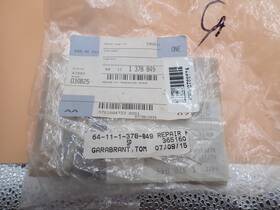
( Manufacturer Part Number: 1378849 ), ( Part Type: Sensor ), ( Customs And Taxes: No Customs Fees For Usa Customers ), ( Country Of Origin: Germany ), ( Reference Oe/oem Number: 64111378849, 64 11 1 378 849, 64.11.1.378.849, 1378849 )
Review BMW New Temperature Sensor Repair Kit Oem fits E36
The **BMW E36 Temperature Sensor Repair Kit (Part Number: 1378849 / 64111378849)** is a meticulously engineered solution designed to restore optimal performance to the coolant temperature sensor a critical component in the E36 series (including models like the 318i, 320i, 323i, and M3) that monitors engine temperature and ensures proper fuel mixture, ignition timing, and emissions control. This repair kit is specifically tailored for the **E36 engine bay s coolant temperature sensor**, which, over time, may degrade due to exposure to harsh fluids, electrical corrosion, or mechanical stress, leading to inaccurate readings, rough idling, or even engine warning lights. The kit includes a **high-quality replacement temperature sensor** (compatible with the original BMW specification) along with essential components to facilitate a seamless installation, such as a **new gasket or O-ring** (depending on the sensor type), a **small amount of anti-seize compound** to prevent future seizing, and a **clean, corrosion-resistant electrical connector** to eliminate signal interference. Crafted from durable materials like **copper or stainless steel** for the sensor tip and **high-temperature-resistant polymers** for the housing, this replacement ensures long-term reliability and precise temperature detection, mirroring the performance of an OEM part. Whether addressing a faulty sensor that triggers the check engine light, causes overheating concerns, or simply exhibits erratic behavior, this repair kit provides a straightforward and cost-effective alternative to purchasing an entire new sensor assembly. Installation is straightforward, requiring only basic tools a socket wrench, a flathead screwdriver for connector release, and possibly a thread locker if reusing the original mounting hardware. By restoring accurate temperature readings, this kit helps maintain engine efficiency, reduces fuel consumption, and prevents potential long-term damage from prolonged exposure to incorrect operating conditions. Ideal for both DIY enthusiasts and professional mechanics, the **BMW 1378849 E36 Temperature Sensor Repair Kit** serves as a reliable upgrade to keep your E36 running smoothly while preserving its classic performance.
### **Pros and Cons of buying a BMW E36 Temperature Sensor Repair Kit (Part Number: 64111378849)**
#### **Pros:**1. **Compatibility** This kit is specifically designed for the BMW E36 series, ensuring a proper fit for the engine temperature sensor (ETS) in models like the 318i, 320i, 323i, and M3 (depending on the year and engine variant). Using an OEM or high-quality aftermarket part reduces the risk of installation issues.
2. **Reliability** The E36 temperature sensor is a critical component for accurate engine temperature readings, fuel mixture, and cooling system performance. A faulty sensor can lead to poor fuel economy, overheating, or check engine lights. Replacing it with a new or refurbished unit restores proper functionality.
3. **Cost-Effective Repair** Purchasing a repair kit (rather than a full sensor replacement) can be more economical if the sensor housing or gasket is damaged but the sensor itself is still functional. Some kits include seals, gaskets, or anti-seize compound to prevent future leaks.
4. **Prevents Long-Term Damage** A failing temperature sensor can cause the engine to run rich or lean, leading to catalytic converter damage or overheating. Addressing the issue early prevents more expensive repairs down the line.
5. **Easy Installation** The E36 temperature sensor is typically located in the engine block or cylinder head, accessible without major disassembly. With the right tools (socket wrench, torque wrench, and possibly a thread chaser if the threads are stripped), most DIYers can complete the repair in under an hour.
6. **Aftermarket vs. OEM Options** While OEM sensors (original equipment manufacturer) are ideal for longevity, high-quality aftermarket alternatives (such as those from Bosch, ACDelco, or OE-quality brands) often provide similar performance at a lower cost. The repair kit may include compatible aftermarket parts.
7. **Prevents Coolant Leaks** If the sensor housing or gasket is worn, coolant can leak into the engine bay or combustion chamber. A repair kit ensures a proper seal, maintaining coolant pressure and preventing overheating.
8. **Improves Diagnostic Accuracy** A faulty sensor can trigger false check engine lights or incorrect readings on the dashboard. Replacing it with a working unit ensures accurate temperature monitoring, which is crucial for diagnostics and maintenance.
---
#### **Cons:**1. **Potential Counterfeit Parts** If purchasing from an untrusted seller (especially online marketplaces), there is a risk of receiving counterfeit or low-quality parts. Counterfeit sensors may fail prematurely or not fit correctly, leading to recurring issues.
2. **Thread Damage Risk** If the sensor threads in the engine block are stripped or corroded, a new sensor may not seal properly, leading to leaks. In such cases, a thread repair kit or sensor with a locking compound may be necessary, adding to the cost.
3. **Additional Tools May Be Required** While the repair is straightforward, some installations may require specialized tools like a thread chaser, torque wrench (to avoid overtightening), or a sensor puller if the sensor is seized. DIYers without these tools may need to rent or purchase them.
4. **Compatibility Variations** The E36 platform spans multiple years (1990 1999) and engine types (M40, M50, M52, etc.). Ensuring the correct sensor for your specific model is essential. A wrong part may not fit or function properly.
5. **Anti-Seize Compound Necessity** Some sensors require anti-seize compound to prevent seizing during removal or installation. Forgetting this step can make future sensor replacements more difficult.
6. **Coolant System Flush May Be Needed** If the old sensor was leaking, contaminants may have entered the cooling system. In some cases, a coolant flush may be recommended to remove debris before refilling.
7. **Labor Costs for Non-DIYers** If taking the car to a mechanic, labor costs for sensor replacement can range from $100 $200, depending on the shop. While DIY saves money, those without mechanical experience may prefer professional installation.
8. **Sensor Failure Not Always the Cause** Before replacing the sensor, it s wise to verify that it is indeed faulty. A scan tool can check for error codes (e.g., P0118 for low coolant temperature), and visual inspection for leaks or corrosion is recommended. Replacing a good sensor unnecessarily adds unnecessary expense.
---
### **Conclusion**
The BMW E36 temperature sensor repair kit (64111378849) is a practical and cost-effective solution for addressing a faulty or leaking engine temperature sensor. It restores proper engine function, prevents overheating, and avoids more severe damage. However, the success of the repair depends on using genuine or high-quality parts, ensuring correct compatibility, and following proper installation procedures.
For most DIYers with basic mechanical skills, this is a manageable repair that saves money compared to professional labor. Those unsure about the sensor s condition should verify its functionality before purchasing. Additionally, sourcing parts from reputable suppliers (e.g., BMW approved dealers, trusted online retailers, or specialty auto parts stores) minimizes the risk of counterfeit or incompatible components.
### **Recommendation**
- **If you suspect a faulty temperature sensor**, purchase the repair kit from a reliable source (e.g., BMW Parts Online, RockAuto, or a local auto parts store with a return policy).
- **Verify compatibility** with your exact E36 model and engine type before buying.
- **Inspect the sensor and housing** for damage or leaks before installation. If threads are stripped, consider using a thread repair kit or a sensor with a locking compound.
- **Use anti-seize compound** during installation to prevent seizing.
- **Consider professional help** if you lack confidence in DIY repairs, especially if the sensor is stubborn to remove or the engine block threads are damaged.
- **Monitor for leaks** after installation and check for proper temperature readings on the dashboard.
For most E36 owners, replacing the temperature sensor is a straightforward and worthwhile repair that extends the life of the engine and cooling system.
Details:
Brand new and OEM.
part #: 1378849 prices
- $59.99-$116.04
specifications emissyste:
- for models: E36
- for makes: Bmw
- mpn: 1378849
- part type: Sensor
- customs and taxes: No Customs Fees For Usa Customers
- country of origin: Germany
- reference oe/oem number: 64111378849, 64 11 1 378 849, 64.11.1.378.849, 1378849
returns emissyste:
- time: 30 Days
- paid by: Seller
- policy: Returns Accepted
payments emissyste:
- wallet: Google-pay
- other
- credit card: Mastercard
shipping emissyste:
- transit: 3-9 Days
- cost: $0.00
- type: Fixed
- service: Standard
- class: Standard
seller emissyste:
- city: North Richland Hills, Texas
- rating: 99.7%
- # reviews: 3524
offer emissyste:
- started: April 28, 2026
- availability: In Stock
- options: Ship-to-home
- sold: 0
- quantity: 1
general emissyste:
- Car Truck Parts Accessories > Exhaust Emission Systems > Other Exhaust Emission Parts
- condition: New
Bmw 1378849 Is Similar To:
- 0258003477 11781742050 Bmw Oem Front Upstream Pre Cat Oxygen Sensor (25.4% similar) Shipping on this item is free in the us. 0i that is being parted out. This listing is for a used oem front pre cat o2 sensor that came out of 2005 bmw x5 this part is used but guaranteed to be fully operational. If you are looking for a part from this vehicle that don't see listed hesitate to ask...(March 17th, 2019)
- 07-11-9-906-089 Bmw Mini Genuine Oem Muffler Pipe Nut (20% similar) ...(March 1st, 2018)
- 07-11-9-906-360 Bmw Pair Of Oil Separator New (19.6% similar) Up for sale is a pair of bmw oil separator o-rings genuine from silver spring ,com it installed at the elbow between and vent tube, 2 required. These o-rings are in new condition never installed. 5' E34 ' E39 E32 E38 E65 E31 any questions gladly answered. It appears to be used only on M60 M62 ...(September 3rd, 2018)
- 07-12-9-905-423 Bmw 07129905423 Genuine Oem (27.3% similar) We now ship to military APO FPO addresses. Items must be uninstalled and in brand new condition with the original packaging. You can expect a great experience when choose bmw of Mintaka. However, all electrical and fuel system parts are non-returnable...(November 27th, 2017)
- 11-12-7-584-128 Bmw Genuine Oem Vent Hose (20.4% similar) We now ship to military APO FPO addresses. You can expect a great experience when choose bmw of Mintaka. Items must be uninstalled and in brand new condition with the original packaging. However, all electrical and fuel system parts are non-returnable...(October 3rd, 2018)
- 11-15-7-559-528 Bmw Genuine Oem Pcv Valve (20.4% similar) Image not available for this item...(March 1st, 2018)
- 11-62-7-576-992 Bmw 11627576992 Genuine Oem (25.5% similar) ...(October 18th, 2017)
- 11-66-7-509-080 Bmw 11667509080 Genuine Oem (25.5% similar) We now ship to military APO FPO addresses. You can expect a great experience when choose bmw of Mintaka. Items must be uninstalled and in brand new condition with the original packaging. However, all electrical and fuel system parts are non-returnable...(November 27th, 2017)
- 11-66-7-525-815 Bmw Genuine Oem Vacuum Pump Gasket (18.8% similar) ...(April 17th, 2018)
- 11-71-7-809-775 Bmw Genuine Oem Gasket (21% similar) ...(March 17th, 2018)
- 11-72-7-545-323 Bmw 11727545323 Genuine Oem (29.1% similar) We now ship to military APO FPO addresses. However, all electrical and fuel system parts are non-returnable. You can expect a great experience when choose bmw of Mintaka. Items must be uninstalled and in brand new condition with the original packaging...(November 27th, 2017)