SUBARU 11849AA160 Pcv Pipe Hose Emission 2.0L
fits model: Wrx. make: Subaru. year: 2015–2016.
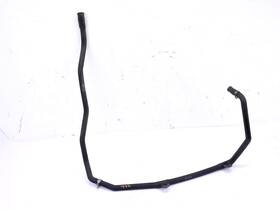
( Manufacturer Part Number: 11849AA160 ), ( Part Type: Pipe Hose ), ( Country Of Origin: Japan )
Review SUBARU 2.0l Pcv Pipe Hose Emission Oem fits WRX 2015–2016
The **Subaru 11849AA160 PCV Pipe Hose Emission System Component (2015 2016 WRX 2.0L)** is a precision-engineered part designed to maintain optimal engine efficiency and emissions compliance in the high-performance FA20S turbocharged inline-four powertrain. This critical component forms part of the Positive Crankcase Ventilation (PCV) system, which regulates blow-by gases unburned fuel and air that escape past the piston rings by routing them back into the intake manifold for re-burning. Crafted from durable, heat-resistant synthetic rubber with reinforced fabric weave, the hose is engineered to withstand the demanding conditions of a turbocharged engine, including high temperatures, vacuum fluctuations, and the aggressive pressure pulses generated by the WRX s forced induction system. Its seamless, interference-fit design ensures a secure connection to the PCV valve and intake manifold, preventing leaks that could degrade performance, increase oil consumption, or trigger check engine lights due to improper emissions readings. The hose s flexible yet robust construction also accommodates minor engine movement and thermal expansion, reducing stress on the mounting points and prolonging the lifespan of surrounding components. For enthusiasts and mechanics working on the 2015 2016 WRX, this OEM-specification part is essential for preserving factory performance, ensuring reliable operation, and adhering to emissions standards without compromising on durability or fitment. Whether used in a fresh installation or as a replacement for a degraded original, it delivers the precision and reliability expected from Subaru s high-performance lineup.
### **Pros and Cons of Buying a 2015-2016 Subaru WRX (2.0L) with a PCV Pipe/Hose Emission Issue**
#### **Pros**
1. **Strong Performance and Handling**
The 2.0L FA20 engine in the WRX is a well-regarded turbocharged unit, producing around **268 276 horsepower** and **258 lb-ft of torque** when properly tuned. It offers engaging acceleration and sharp handling, making it a favorite among enthusiasts. The AWD system provides excellent traction in various conditions, which is a major advantage for both performance and practicality.
2. **Reliability of the Core Components**
The FA20 engine itself is durable, especially with proper maintenance. Many owners report that the engine block, crankshaft, and connecting rods hold up well if the vehicle is cared for. The turbocharger (Garrett GT2450) is also a robust unit when maintained, though it can fail prematurely if oil changes are neglected.
3. **Aftermarket Support and Tuning Potential**
The WRX has a thriving aftermarket scene, with widely available parts for upgrades such as **intake systems, exhausts, intercoolers, and ECU tunes**. Companies like **AEM, SRT, and JB4** offer reliable tuning solutions that can significantly improve power output and drivability. This makes the WRX a great platform for enthusiasts looking to modify their cars.
4. **AWD System and Practicality**
Subaru s symmetrical AWD system is one of the best in the industry, providing near-perfect weight distribution and excellent traction. This makes the WRX a capable daily driver in snow, rain, or on twisty roads. The interior is also reasonably spacious for a sports car, with decent cargo room and comfortable seating.
5. **Resale Value (Compared to Other WRX Models)**
While not as high as some luxury or premium sports cars, the WRX retains a decent resale value, especially in tuned or well-maintained condition. The 2015 2016 models are still sought after by buyers looking for a balance of performance and affordability.
6. **Modest Fuel Economy (For a Turbo)**
While not great (around **18 22 MPG combined**), the WRX is more efficient than many other turbocharged sports cars in its class. With proper tuning and maintenance, fuel economy can be improved slightly.
7. **Community and Enthusiast Appeal**
The WRX has a passionate owner community, with forums (like **WRX.org, Reddit s r/wrxst**), clubs, and events dedicated to the model. This makes it easier to find parts, advice, and support when dealing with issues.
---
#### **Cons**
1. **PCV Pipe/Hose Emission Issues (The Primary Concern)**
The **PCV (Positive Crankcase Ventilation) pipe or hose** in these models is notorious for failing, often due to **heat damage, cracking, or clogging**. This can lead to:
- **Blue smoke from the exhaust** (indicating oil burning).
- **Check Engine Lights (CEL)** with codes like **P0171 (lean condition), P0174, or P0300 (random misfires)**.
- **Reduced engine longevity** if oil is being burned excessively.
- **Smell of oil in the cabin** due to leaking crankcase gases.
The PCV system is relatively cheap to replace (parts cost **$20 $50**), but if the issue is ignored, it can lead to **more serious engine damage** over time.
2. **Turbocharger Reliability (If Neglected)**
The Garrett GT2450 turbo is robust, but it **requires proper oil changes (every 5,000 7,500 miles)** to prevent failure. Many WRX owners report turbo issues if they skip maintenance. A failed turbo can cost **$1,500 $2,500** to replace, including labor.
3. **Oil Consumption (Especially in Higher Mileage Units)**
Some WRX engines, particularly those with **higher mileage (above 100,000 miles)**, develop **oil consumption issues**. This can be due to:- **Worn piston rings or valve seals**.
- **Turbo oil leaks** (common in older models).
- **Improper oil type** (using synthetic blends instead of full synthetic can worsen consumption).
If oil levels drop too quickly, it can lead to **catastrophic engine failure**. Regular oil checks and top-ups are a must.
4. **Transmission (CVT in Some Models)**
The **2015 2016 WRX STI (with the manual) is preferable**, but some **2015 WRX models came with a CVT (continuously variable transmission)**. The CVT is **less durable** than a traditional automatic or manual and can fail prematurely, leading to **expensive repairs ($3,000 $5,000)**. If buying a CVT-equipped WRX, ensure it has **no transmission issues** and a **full service history**.
5. **Suspension Wear**
The WRX s suspension (struts, bushings, control arms) wears out relatively quickly, especially on rough roads. Replacing worn suspension components is **essential for safety and handling**, and costs can add up (**$500 $1,500** for a full rebuild).
6. **Electrical Gremlins**
Some WRX models (especially early 2015) have had **issues with the infotainment system, sensors, and wiring harnesses**. These can cause **random electrical failures**, though they are usually fixable with updates or repairs.
7. **Maintenance Costs**
While not as expensive as some luxury cars, the WRX requires **regular maintenance** to stay reliable:- **Oil changes every 5,000 7,500 miles** (full synthetic recommended).
- **Spark plug replacements ( $200 $400 every 60,000 100,000 miles)**.
- **Timing belt replacement ( $1,000 $1,500 every 100,000 miles)**.
- **Turbo and suspension upgrades** if modifying.
Ignoring maintenance can lead to **much higher repair bills later**.
8. **Rust Concerns (Especially in Snowy Climates)**
Subarus are prone to **rust**, particularly in areas like the **rockers, wheel wells, and undercarriage**. A thorough inspection of the undercarriage is **critical** before purchasing, as rust can weaken structural components.
---
### **Conclusion**
The **2015 2016 Subaru WRX (2.0L) is a fantastic performance AWD car** with a strong engine, great handling, and a passionate aftermarket. However, **PCV pipe/hose issues, turbo reliability, oil consumption, and maintenance costs** are significant drawbacks especially if the car has been neglected.
**If the PCV issue is addressed immediately** (replaced with a **high-quality aftermarket PCV system or a direct-fit OEM replacement**), the car can be a **great buy**. However, **buyers must be prepared for:**
- **Regular oil changes and monitoring oil levels.**
- **Potential turbo or suspension upgrades.**
- **Avoiding CVT models unless thoroughly inspected.**
- **Budgeting for future maintenance.**
**For the right buyer (someone who enjoys mechanics, tuning, and doesn t mind some wear-and-tear), the WRX is an excellent value.** But for those seeking a **plug-and-play, low-maintenance daily driver**, a **higher-end or more modern AWD car (like a Mazda CX-5 Turbo, Audi S3, or BMW 330i)** might be a better choice.
---
### **Recommendation**
1. **If Buying Used:**- **Get a pre-purchase inspection (PPI) from a trusted mechanic** especially focusing on the **PCV system, turbo, oil consumption, and suspension**.
- **Avoid CVT models** unless you re certain they ve been well-maintained.
- **Check for oil leaks** (turbo, valve cover, oil pan).
- **Verify service records** for oil changes, spark plugs, and timing belt replacements.
2. **If the PCV Issue is Present:**- **Replace the PCV pipe/hose immediately** (preferably with a **stainless steel or reinforced aftermarket part**).
- **Monitor oil levels religiously** top up if needed.
- **Consider a tune (like JB4 or AEM)** to optimize performance and reduce stress on the engine.
3. **Best Use Cases:**- **Enthusiast who enjoys working on their car.**
- **Buyer who wants a fun, track-capable AWD daily.**
- **Someone who plans to modify and tune the car.**
4. **Avoid If:**- You **don t want to deal with maintenance issues**.
- You **can t afford unexpected repairs**.
- You **prefer a more refined, low-maintenance experience**.
**Final Verdict:** The **2015 2016 WRX is a great car for the right buyer
Details:
Removed from a 2016 Subaru WRX, 2.0L Turbo, MT.
part #: 11849aa160 prices
- $63.91-$196.95
specifications emissyste:
- for models: Wrx
- for makes: Subaru
- for years: 2015-2016
- mpn: 11849aa160
- part type: Pipe Hose
- country of origin: Japan
offer emissyste:
- options: Ship-to-home
- sold: 0
- availability: In Stock
- quantity: 1
- started: March 22, 2026
seller emissyste:
- city: Marlette, Michigan
- rating: 99.8%
- # reviews: 21907
general emissyste:
- condition: Used
- Car Truck Parts Accessories > Exhaust Emission Systems > Other Exhaust Emission Parts
returns emissyste:
- time: 30 Days
- paid by: Buyer
- policy: Returns Accepted
payments emissyste:
- wallet: Apple-pay
- other
- credit card: Visa
shipping emissyste:
- type: Fixed
- transit: 4-8 Days
- cost: $19.99
- service: Standard
- class: Standard
Subaru 11849AA160 Is Similar To:
- 0951bg110 Subaru Genuine Hose Fuel (33% similar) In stock orders ship within 24 hours. At sybarites. Electrical parts are not returnable. And sybarites. Shipping carrier substitutions may be made at our determination in an attempt to reduce cost the customer. Does not show real time inventory. Parts must be resalable and in the original packaging...(March 8th, 2018)
- 11810aa021 Subaru Oem Pcv Valve (27.7% similar) Subaru oem pcv valve 11810AA022 legacy outback 6 cylinder...(December 9th, 2017)
- 11810aa040 Subaru New Oem Pcv Valve (28.6% similar) Brand new pcv valve 11810AA040 fits many different Subaru's. Check part number before buying it to make sure will fit your car...(March 15th, 2018)
- 11810aa100 Subaru Oem Pcv Valve Impreza Forester Outback Legacy Tribeca Xv (27.7% similar) Oem subaru pcv valve impress forester outback legacy tribe ca xv...(April 4th, 2018)
- 11810aa120 Subaru Pcv Valve Impreza Wrx Forester Xt Turbo Oem (33.9% similar) Its green call dealer for fit...(May 22nd, 2018)
- 11815ab711 Subaru Genuine Pcv Valve Hose Kit Wrx Sti Turbo Oem (41.6% similar) Shipped with USPS first class package. Genuine subaru pcv valve hose kit wrx sit turbo EJ205 EJ255 EJ257 oem new. Condition is used...(March 4th, 2019)
- 11849aa140 Subaru Legacy Outback Pipe Assembly Pcv Valve (38.7% similar) Please for costs to other areas. Number on part: 11849AA140...(July 31st, 2018)
- 138600-7190 1386007190 Subaru Impreza Fuel Vapor Evaporator Charcoal Can Canister Oem (28.4% similar) Buyer agrees to ensure installer must replace all seals, gaskets, fluids, belts, etc. Buyer agrees to cover all return shipping costs. Engines, transmissions, carrier assemblies, axle radiators, and power steering pumps are drained of all fluids in accordance with local, state, federal laws. Claims ...(April 26th, 2018)
- 14710aa780 Subaru Genuine Oem Egr Valve (25.5% similar) ...(October 5th, 2018)
- 14725aa253 Subaru Egr Tube-pipe For (28.6% similar) ...(September 17th, 2017)
- 14774aa471 Subaru Genuine Oem Solenoid Valve (24.3% similar) ...(August 16th, 2018)