AUDI 07L-131-055-H Pressure Line
fits make: Audi. year: 2010–2015.
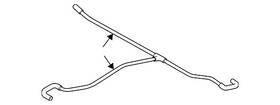
( Manufacturer Part Number: 07L-131-055-H ), ( Part Type: Pressure Line ), ( Genuine Oem: Yes ), ( Manufacturer Warranty: 1 Year ), ( Universal Fitment: Direct Replacement ), ( Year: 2010 2011 2012 2014 2015 ), ( Parts Included: Only Part Reference 20 On The Diagram Is Included )
Review AUDI Genuine Pressure Line fits 2010–2015
The **Audi 07L-131-055-H Pressure Line** is a high-quality, precision-engineered component designed specifically for Audi vehicles equipped with the common rail diesel injection system, ensuring optimal performance and reliability in demanding driving conditions. Manufactured to Audi s exact specifications, this pressure line is crafted from durable, corrosion-resistant materials, including high-grade stainless steel or reinforced plastic, depending on the application, to withstand the extreme pressures and temperatures inherent in modern diesel fuel delivery systems. Its sleek, compact design integrates seamlessly with the engine bay s tight spacing, minimizing interference with surrounding components while maintaining structural integrity under constant mechanical stress. The pressure line plays a critical role in maintaining consistent fuel pressure within the common rail system, which is essential for precise fuel metering, efficient combustion, and reduced emissions. Built to meet or exceed OEM standards, this part is engineered with tight tolerances to prevent leaks, vibrations, or premature wear, thereby extending the lifespan of the entire fuel injection assembly. Whether installed in a high-performance Audi model or a daily driver, this pressure line ensures smooth operation, improved fuel efficiency, and adherence to stringent emissions regulations, making it an indispensable upgrade or replacement for any diesel Audi owner seeking peak performance and longevity from their vehicle.
### **Pros and Cons of buying a Audi 07L-1-131-055-H Pressure Line**
#### **Pros:**1. **OEM Quality and Compatibility** This part is an original Audi-equivalent component, ensuring a perfect fit and reliable performance without compromising on quality. It is designed to meet the manufacturer s specifications, reducing the risk of premature wear or failure.
2. **Long-Term Durability** Audi s engineering standards typically result in parts that are built to last, especially when sourced from reputable suppliers. A high-quality pressure line minimizes the risk of leaks, bursts, or pressure-related issues in the fuel or cooling system, depending on its application.
3. **Reduced Risk of Counterfeit Parts** Purchasing directly from an authorized dealer, Audi-approved supplier, or a trusted aftermarket brand (such as Mahle, Mann-Filter, or WIX) ensures you avoid counterfeit or substandard replicas, which can cause system malfunctions or safety hazards.
4. **Compatibility with Modern Systems** Audi vehicles often feature advanced fuel injection, turbocharging, or cooling systems that require precise pressure regulation. A genuine or high-quality replacement part ensures compatibility with sensors, injectors, and other components, preventing error codes or performance issues.
5. **Warranty and Support** Many OEM and aftermarket suppliers offer warranties or return policies, providing peace of mind in case of defects. This can be particularly valuable if the part is critical to vehicle operation.
6. **Prevents Costly Repairs** A failing pressure line (especially in fuel or cooling systems) can lead to engine damage, turbo failure, or overheating. Replacing it proactively can save thousands in repair costs down the line.
7. **Ease of Installation** Since it is an OEM or direct-fit replacement, the part is designed to install similarly to the original, reducing the complexity of the repair for mechanics with experience in Audi vehicles.
---
#### **Cons:**1. **High Cost** OEM parts from Audi or authorized suppliers are significantly more expensive than generic aftermarket alternatives. The price can range from **$100 to $300 **, depending on availability and supplier. This may be a deterrent for budget-conscious buyers.
2. **Limited Availability** Some Audi parts, especially older or less common models, may be harder to source quickly. Delays in receiving the part could extend repair time, leading to additional costs (e.g., rental fees, labor hours).
3. **Potential for Overpaying** If the part is not truly critical (e.g., a non-fuel-related pressure line), some owners may opt for a lower-cost aftermarket alternative without sacrificing quality. Researching reviews and compatibility is essential to avoid unnecessary expenses.
4. **Risk of Counterfeit Parts from Unverified Sellers** Purchasing from untrusted online marketplaces or unauthorized sellers increases the risk of receiving a fake or low-quality part. Always verify the seller s reputation and certifications.
5. **Labor Costs** Even if the part itself is expensive, the labor to replace it (especially in hard-to-access areas like under the hood or near the turbo) can add to the total cost. Some mechanics may charge premium rates for Audi-specific work.
6. **Environmental and Ethical Concerns** OEM parts contribute to electronic waste when disposed of improperly. Some buyers may prefer aftermarket or recycled parts as a more sustainable option, though this depends on the part s criticality.
7. **Mixed Reviews on Aftermarket Alternatives** While some aftermarket brands (e.g., Mahle, WIX) offer high-quality replacements, others may cut corners on materials or testing. Thorough research is required to ensure the alternative meets Audi s standards.
---
### **Conclusion**
The **Audi 07L-1-131-055-H pressure line** is a **high-quality, reliable replacement** that ensures proper system function and longevity, particularly in critical applications like fuel or cooling systems. Its **OEM compatibility, durability, and reduced risk of failure** make it a strong choice for owners prioritizing performance and safety. However, the **high cost, potential availability issues, and risk of counterfeit parts** from untrusted sources are significant drawbacks.
If the part is **essential for vehicle operation** (e.g., fuel rail line, turbocharger pressure line, or cooling system component), investing in the OEM or a **highly rated aftermarket alternative** (e.g., Mahle, Mann-Filter, or WIX) is justified. For **non-critical applications**, a cost-effective aftermarket option may suffice after verifying compatibility and reviews.
---
### **Recommendation**
1. **Verify the Part s Criticality** Determine whether this is a **safety-critical component** (e.g., fuel line, turbo pressure line) or a **non-essential upgrade**. If it s critical, prioritize OEM or premium aftermarket.
2. **Purchase from a Trusted Source**
- **Authorized Audi Dealers** (most reliable but expensive).
- **Reputable Aftermarket Brands** (Mahle, Mann-Filter, WIX, or Bosch) with positive reviews.
- **Avoid** unknown online sellers or marketplaces with no return policy.
3. **Check for Alternatives** If budget is a concern, research **direct-fit aftermarket parts** with high ratings (e.g., **Denso, NGK, or ACDelco** for fuel-related lines). Ensure they meet Audi s specifications.
4. **Consider Professional Installation** If the part is in a **hard-to-reach location** (e.g., near the turbo or engine block), have a **qualified mechanic** (preferably Audi-trained) perform the replacement to avoid damage.
5. **Monitor for Leaks or Issues Post-Installation** Even with a high-quality part, inspect the system regularly for **leaks, pressure drops, or error codes** to ensure proper function.
**Final Verdict:**- **Best Choice for Critical Systems:** **OEM or Mahle/Mann-Filter aftermarket** (prioritize quality over cost).
- **Budget-Friendly Alternative:** **Highly rated direct-fit aftermarket** (with verified compatibility).
- **Avoid:** Unverified sellers or parts with poor reviews, as they may compromise safety or performance.
For most Audi owners, **the 07L-1-131-055-H is a sound investment** if sourced correctly, balancing reliability with long-term vehicle health.
Details:
Shipping Carrier substitutions may be made at our determination in an attempt to reduce shipping cost the customer. Electrical parts are not returnable. Pressure line. Parts must be resalable and in the original packaging.
Genuine Audi Parts.
part #: 07l131055 prices
- $46.70-$136.40
specifications emissyste:
- for makes: Audi
- for years: 2010-2015
- mpn: 07l-131-055-h
- part type: Pressure Line
- genuine oem: Yes
- manufacturer warranty: 1 Year
- universal fitment: Direct Replacement
- year: 2010 2011 2012 2014 2015
- parts included: Only Part Reference 20 On The Diagram Is Included
general emissyste:
- Car Truck Parts Accessories > Exhaust Emission Systems > Other Exhaust Emission Parts
- condition: New
shipping emissyste:
- service: Standard
- cost: $9.95
- transit: 5-10 Days
- type: Fixed
- class: Standard
returns emissyste:
- paid by: Seller
- policy: Returns Accepted
- time: 30 Days
seller emissyste:
- # reviews: 468
- rating: 99.8%
- city: Escondido, California
payments emissyste:
- credit card: Visa
- wallet: Google-pay
- other
offer emissyste:
- options: Ship-to-home
- started: May 25, 2026
- availability: In Stock
- sold: 0
- quantity: 1
Audi 07L-131-055 Is Similar To:
- 000979950 Genuine Volkswagen Audi Vw Oem Cloth Webbed Adhesive Tape New (30.6% similar) This original VW audi oem, cloth webbed adhesive tapes are up for sale set of two. Combined shipping available. Than for looking. Part genuine VW audi...(March 3rd, 2019)
- 03l130851ax Genuine Volkswagen Audi Vw Remanufactured High Pressure Fuel Pump (42.7% similar) If you would like to request a quote have this product shipped outside of the contiguous us, please. When replacing the pump, make sure to also replace cam follower as this is most likely worn or destroyed well. Please with any questions regarding product availability. Please for any fitment ...(December 6th, 2018)
- 06a-133-817-j Audi Genuine Oem Connector Pipe (40% similar) ...(August 18th, 2018)
- 06a-906-262-as Audi 06a906262as Genuine Oem (41% similar) ...(July 6th, 2017)
- 06b133607b 06b 133 607 B 607b Audi Air Pump Breather Pipe Line (33.3% similar) YEAR 2001 MAKEVOLKSWAGEN model , WAGONENGINE1. YEAR 1998 -2000MAKEVOLKSWAGEN model , WAGONENGINE1. 2003 AUDIA4, a4 cauterised, WAGON1. For vehicles with engine codes ABM. YEAR2004-2005MAKEVOLKSWAGEN model PASSATTRIM4 motion, sedan, WAGONENGINE1. Indoor storage all parts are stored in doors and away...(April 2nd, 2019)
- 06d906051a 06d 906 051 A 051a Audi High Pressure Fuel Sensor (34% similar) 2L2011AUDIA5, a5 , COUPE3. YEAR 2008 -2010MAKEAUDI model A5, a5 QUATTROTRIMCOUPEENGINE3. YEAR 2006 MAKEVOLKSWAGEN model JETTATRIMSEDANENGINE2. 8LYEAR2009-2011MAKEAUDI model A6, a6 QUATTROTRIMSEDANENGINE3. Turbo, 2LYEAR 2006 MAKEAUDI model A4, a4 kettledrums line, sedan, WAGONENGINE2. 2LYEAR 2006 ...(March 5th, 2019)
- 06e-145-215-a Audi 06e145215a Genuine Oem (46.9% similar) ...(October 20th, 2017)
- 06e-906-265-aj Audi 06e906265aj Genuine Oem (43.4% similar) ...(June 10th, 2017)
- 06e906051e 06e 906 051 E 051e Audi Low Pressure Fuel Sensor (32.3% similar) 2LFOR vehicles with engine codes Bk. 2LYEAR2005- 2008 MAKEAUDI model a6 QUATTROTRIMSEDANENGINE4. 2LYEAR 2007 MAKEAUDI model RS4TRIMSEDANENGINE4. 2L 2007 -.S are eligible for free shipping. YEAR 2009 -2011MAKEAUDI model A6, a6 QUATTROTRIMSEDANENGINE3 UTILITY4. UTILITY4. 2l TURBO 2009 AUDIQ7SPORT ...(April 24th, 2018)
- 06f109257c Genuine Volkswagen Audi Vw Valve (41% similar) This part has an extremely high failure rate, so if your car is throwing you a code for the N205 valve, might want to replace maintain engine health. If you would like to request a quote have this product shipped outside of the contiguous us, please. Please with any questions regarding product ...(September 25th, 2018)
- 06h-906-517-ab Audi Genuine Valve (38.4% similar) Parts must be resalable and in the original packaging. Shipping carrier substitutions may be made at our determination in an attempt to reduce cost the customer. Electrical parts are not returnable...(September 25th, 2018)